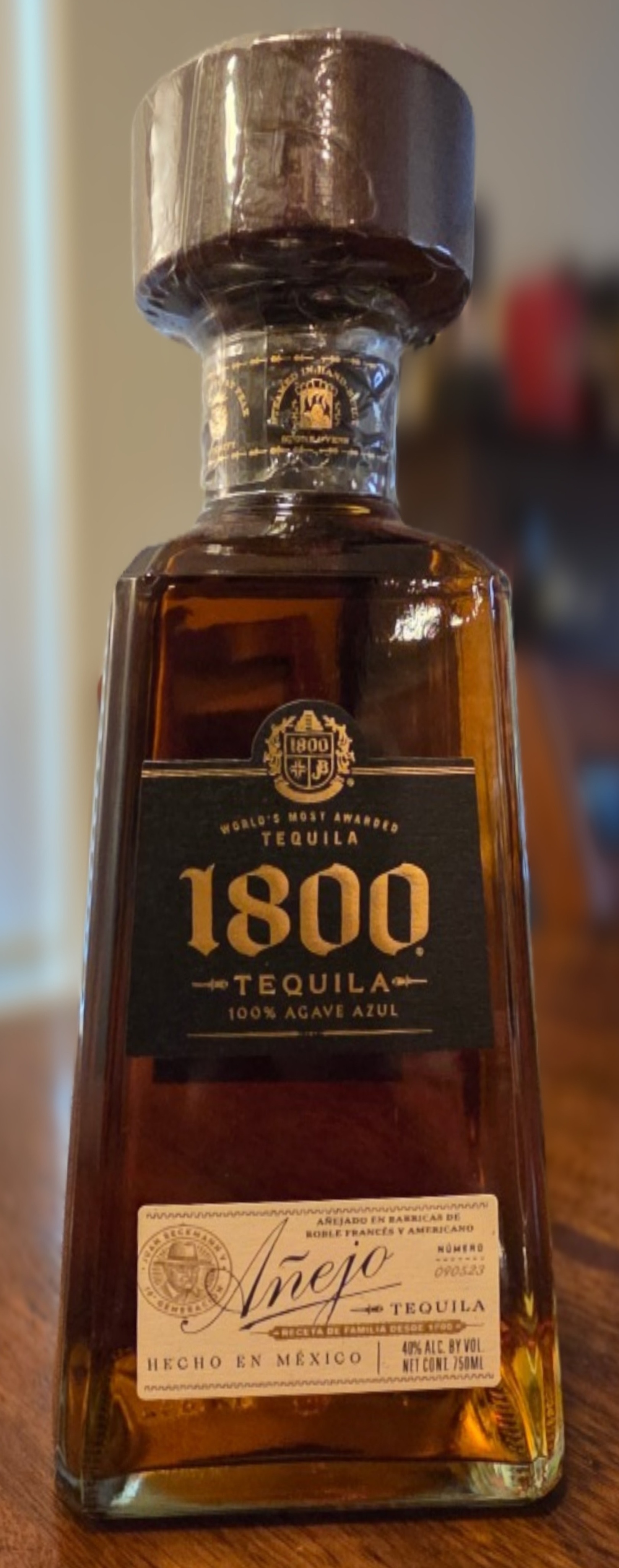
The first aroma brought a noticeable touch of alcohol and cooked agave. After letting the tequila breathe, those sharper notes settled down and oak became the dominant characteristic. There was a suggestion of sweetness in the aroma, but it never fully developed into caramel, vanilla, or another clearly sweet note. It was more like the oak wanted to be sweet without quite getting there.
The initial sip carried some alcohol, but the tequila became smoother and more balanced as I continued tasting it. Oak was the primary flavor: smooth, substantial, and fairly strong without becoming harsh. Mild vanilla and pepper appeared underneath it, although neither was strong enough to challenge the oak for attention. The flavor again hinted at sweetness, but the tequila stopped short of actually tasting sweet when served neat.
The finish shifted away from the oak-forward profile of the sip. Pepper became the strongest note, supported by a milder oak flavor. That suggestion of sweetness appeared once more, but it remained restrained. The finish was warm, peppery, and reasonably smooth rather than sugary or dessert-like.
1800 Añejo is a smooth, oak-driven tequila with mild vanilla, a peppery finish, and a recurring suggestion of sweetness that never completely arrives when drinking it neat. Interestingly, that restrained sweetness can become much more noticeable in a cocktail. I once ordered a margarita made with 1800 Reposado, but the bar had apparently run out and substituted the Añejo. The drink came out surprisingly sweet - enough that I initially thought another ingredient or tequila had been used. It turned out the Añejo itself was responsible. That makes 1800 Añejo a smooth, approachable sipper, especially for someone who enjoys oak-forward tequila or wants a richer, sweeter-tasting margarita. Objectively, it lands around a 3, but personal ratings are personal, and as my favorite affordable everyday sipper, it earns a 3.5 out of 4.