You do not need professional training, a tasting room or an exceptionally serious expression to properly taste tequila. You do need the right glass, a modest pour and enough patience to sip rather than shoot it.
A structured tasting can help you notice aromas and flavors that disappear when tequila is swallowed quickly. It can also make comparing bottles easier - even if your final tasting note is simply, “I like this one better.”
Should You Let Tequila Breathe?
Giving a freshly poured tequila a few minutes in the glass may soften the initial alcohol aroma and allow other aromas to become easier to detect. Glass shape and open space also permit gentle aeration.
There is no universally accepted breathing time for tequila. For an everyday tasting, pour the tequila before you begin examining its appearance and aroma. By the time you take the first sip, it will already have rested for a few minutes. Taste it again later and decide whether you notice a difference.
Opening a bottle and leaving it uncorked is not necessary. Unlike wine, tequila does not need extended exposure to oxygen before drinking. Over months or years, excessive air inside an opened bottle can gradually reduce its aromas and complexity rather than improve them.
The amount of tequila remaining in the bottle also matters. A nearly full, tightly sealed bottle has much less air inside than a bottle that is mostly empty.
Choose the Right Glass
A traditional shot glass is designed to hold a shot, not necessarily to help you examine what is inside it.
For tasting, use a glass that has enough room for the tequila’s aromas to collect:
A tequila tasting glass
A narrow wine or Champagne flute
A Glencairn whisky glass
A small tulip-shaped glass
A brandy snifter, although its wider bowl can deliver more alcohol vapor
The narrower opening helps concentrate the aromas while still giving you room to gently move the tequila. Professional tequila tastings often use narrow or tulip-shaped stemware for this reason.
That does not mean you need to buy specialized glassware before tasting tequila. A small wine glass will do the job far better than a tiny shot glass.
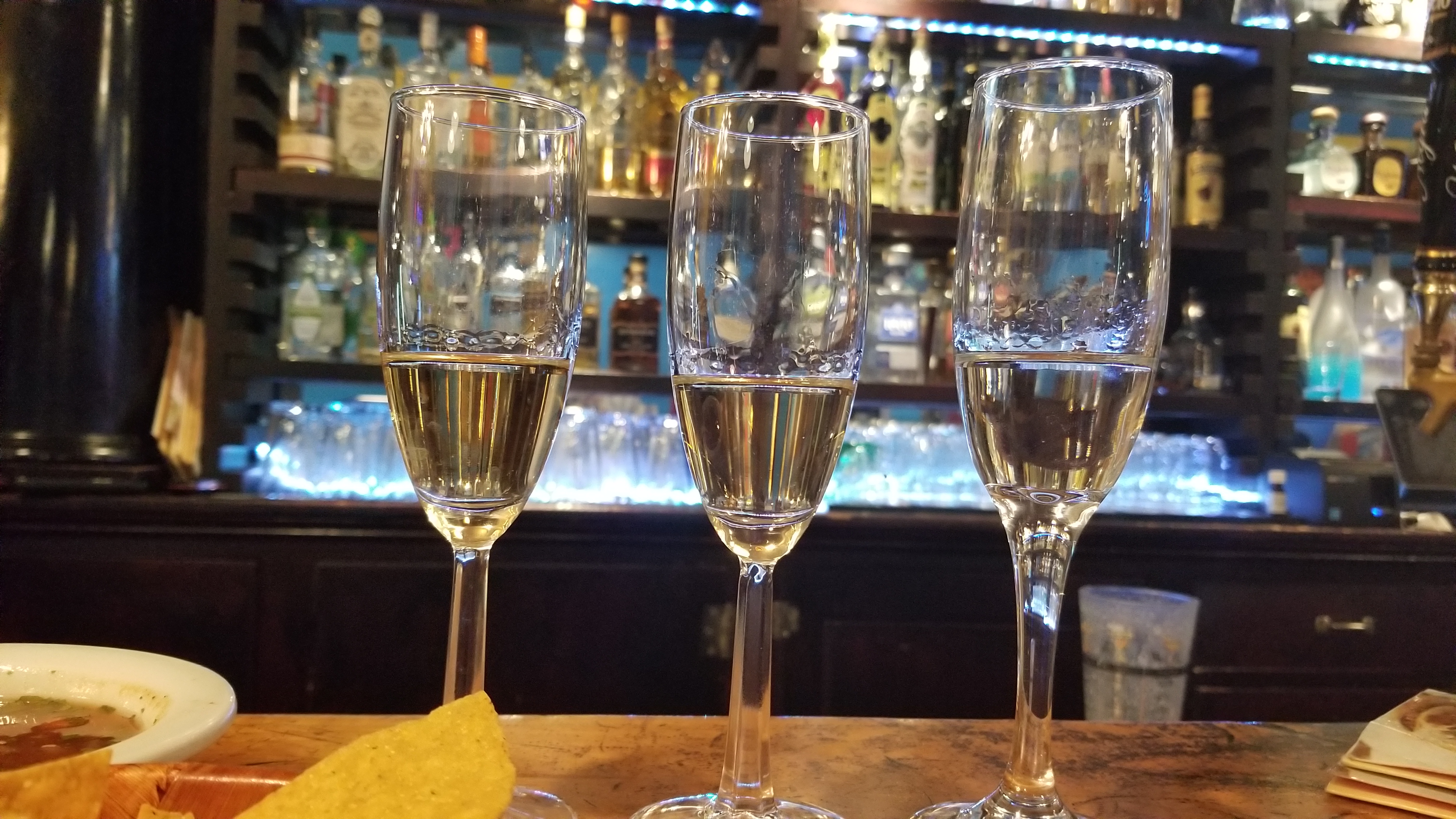
Prepare Your Palate
Strong food and drinks can affect what you taste. Before evaluating tequila, avoid:
Spicy food
Strong coffee
Cigarettes or cigars
Mints and strongly flavored gum
Sweet cocktails
Heavy perfume or scented candles
Room-temperature water and plain crackers can help reset the palate between samples.
Tequila served extremely cold may feel smoother because the temperature suppresses alcohol burn, but it can also mute aromas and flavors. For serious tasting, room temperature is generally more revealing.
Look at It - Briefly
Pour about one ounce. That is enough for several small sips without filling the glass so high that you cannot examine or smell it properly.
Before smelling the tequila, take a quick look at it. Notice the color, clarity and how it moves in the glass. In general, color gives you a rough clue about aging:
Blancos are usually clear because they are unaged or rested only briefly.
Reposados often develop a pale gold or straw color.
Añejos and extra añejos are generally darker and may appear richer or slightly thicker because of their longer time in barrels.
Color is only a clue, not proof of age or quality. Barrel type, finishing, blending and added coloring can all affect how a tequila looks.
Cristalino tequila is the obvious exception. It is typically an aged tequila that has been filtered to remove its color, making it appear clear again. The process can create a smoother-looking, polished spirit, but critics argue that heavy filtration may also remove some of the flavor and character gained during aging.
So look at it, appreciate it and note what the appearance suggests.
Then move on. The aroma will tell you much more.
Smell the Tequila
Tequila is much stronger than wine, so do not bury your nose in the glass and inhale like you are checking a bouquet of roses. Unless ethanol is the aroma you were hoping to find.
Start with the glass a few inches away. Take a gentle sniff, then slowly bring it closer. Keeping your mouth slightly open can help reduce the alcohol burn and make the other aromas easier to notice.
Try smelling from a few different positions near the rim rather than taking one long, aggressive inhale. You may notice different aromas at different heights and angles.
Depending on the tequila, you might find:
Cooked agave
Pepper
Citrus
Herbs or grass
Fruit
Vanilla
Caramel
Cinnamon or baking spices
Oak
Tobacco or leather
You do not need to identify ten different aromas. Start with the obvious questions:
Does it smell sweet, earthy, peppery, fruity or heavily influenced by the barrel?
Does the agave stand out, or is it buried beneath vanilla, caramel and oak?
And most importantly: does it smell good to you?
Tasting Techniques
Technique 1: The Slow, Structured Tasting
This is the better method when you want to write tasting notes, compare several bottles or give a tequila your full attention.
1. Take a Preparation Sip
Take a very small sip—just enough to lightly coat your mouth.
The first sip often tastes hotter or more alcohol-forward because your palate has not yet adjusted to the spirit. Several tasting guides treat this first sip as preparation rather than the definitive evaluation of the tequila.
Swallow it and wait a moment.
2. Take the Evaluation Sip
Take another small sip and allow the tequila to move across your tongue.
Notice where the flavors appear:
Sweetness near the beginning
Agave or fruit through the middle
Pepper, spice or bitterness along the sides and back
Oak and roasted flavors in aged tequila
Alcohol warmth throughout the mouth
Let the tequila remain in your mouth briefly—generally a few seconds is enough. Holding it too long may numb your tongue and make the alcohol more prominent than the flavor.
3. Add a Little Air
For a more advanced variation, hold a small amount of tequila on or beneath your tongue and carefully draw a little air into your mouth.
The air helps move aromatic compounds toward the back of your nasal passage. This is called retronasal aroma: part of what we call flavor is actually aroma reaching the nose from inside the mouth.
Do not sharply inhale the liquid. Keep your head level, your mouth only slightly open and the amount of tequila very small. One established tequila-tasting method recommends allowing a small sip to rest beneath the tongue and gently drawing air over it to reveal additional flavor.
This technique can amplify fruit, cooked agave, spice and barrel notes, but it takes practice. The first attempt may produce more coughing than enlightenment.
4. Swallow and Evaluate the Finish
After swallowing, notice what remains.
Consider:
How long the flavors last
Whether the finish changes over time
Which flavors remain
Whether the warmth feels gentle or aggressive
Whether the ending is dry, sweet, peppery, bitter or oaky
Whether another flavor appears after the tequila is gone
A finish can be short and clean, long and complex, sweet and lingering, or hot and abrupt. None of those descriptions alone determines whether the tequila is good. The more important question is whether the finish feels balanced and whether you enjoy it.
Wait before taking another sip so the finish has time to develop.
Tasting Technique 2: The Three-Sip Method
The three-sip technique is faster and less formal. It works well when trying a new bottle casually or when the first taste seems unusually hot.
The key is that these are three very small sips, not three mouthfuls and definitely not three shots.
Sip 1: Prepare
Take a quick, small sip and swallow it.
This introduces the tequila to your palate. Do not judge the bottle based entirely on this sip. Your mouth may initially react more strongly to the alcohol than to the tequila’s actual flavor.
Sip 2: Adjust
Immediately take a second small sip.
You may already notice less alcohol heat and more agave, sweetness, fruit, pepper or oak. Allow this sip to touch more of your tongue before swallowing.
Sip 3: Evaluate
Take the third small sip while the palate is fully engaged.
Slow this one down slightly. Notice the flavor, texture and finish. This is the sip that should provide the clearest overall impression.
The technique works because the first exposure prepares your mouth, while the following sips allow other sensory information to emerge. The principle is also used in wine tasting, where the first sip is sometimes regarded as a setup sip and the second as a more reliable evaluation.
The three sips should use roughly the same total amount of tequila that someone else might consume in one ordinary sip. Taking too much defeats the purpose by overwhelming the palate with alcohol.
There Is No Prize for Finding the Most Flavors
Tasting notes are not a contest to see who can identify antique saddle leather, grilled pineapple and the exact brand of vanilla extract used by someone’s grandmother.
Start with broad impressions:
Sweet or dry
Fruity or vegetal
Light or rich
Peppery or smooth
Agave-forward or barrel-forward
Simple or complex
Pleasant or unpleasant
Over time, those impressions will become more specific.
Neither method tells you what you are supposed to like.
That decision remains yours.