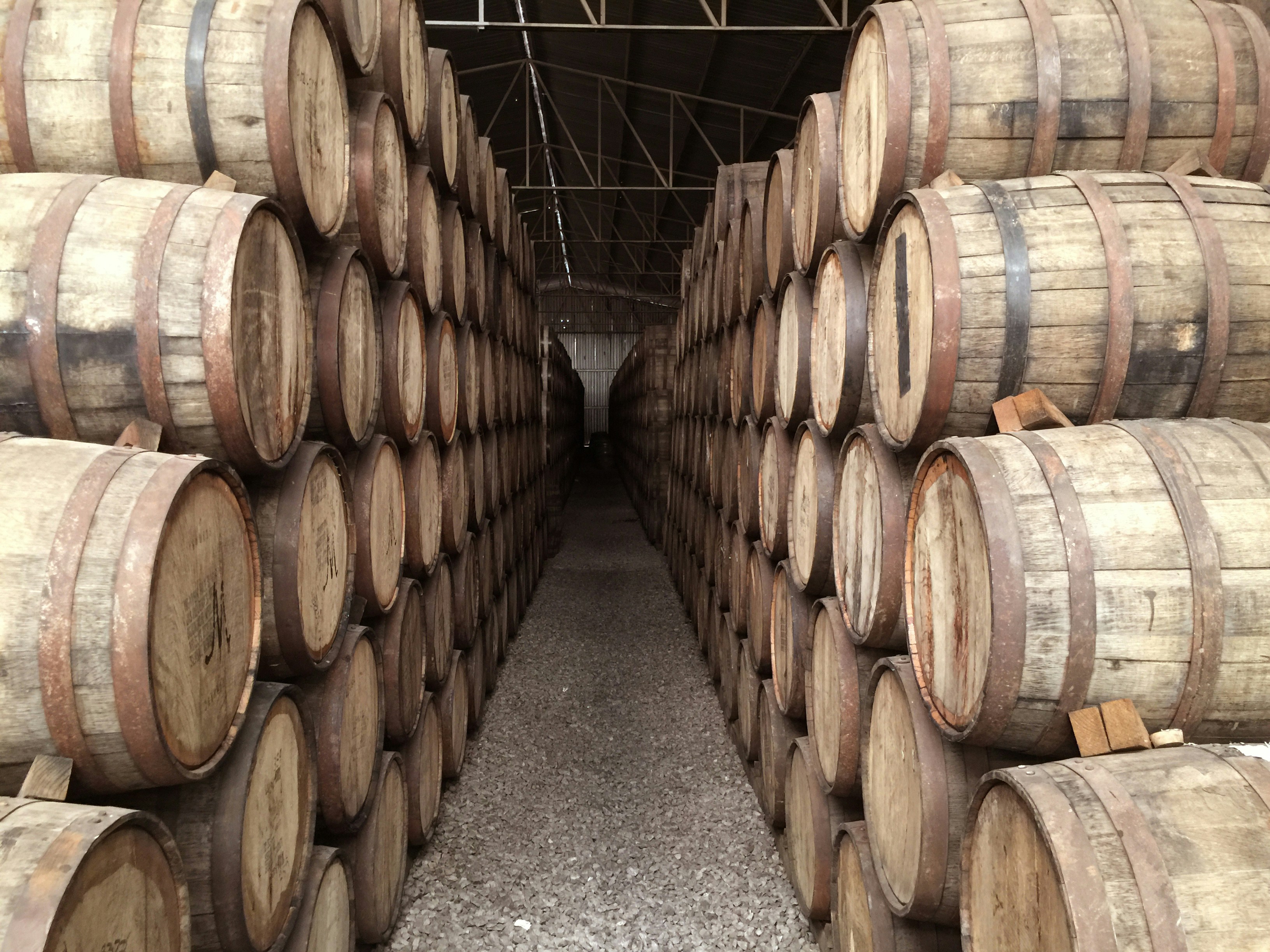
Walk into a well-stocked liquor store and you may see four versions of the same tequila lined up together: blanco, reposado, añejo, and extra añejo. They all began with the same basic ingredient: Blue Weber agave, but they can look, smell, taste, and cost dramatically different.
The primary distinction is how long the tequila spends aging in oak. But time is only part of the story. The type of barrel, whether it is new or previously used, its size, and how heavily it was toasted or charred can all influence what eventually reaches your glass.
Blanco Tequila
Blanco, sometimes labeled plata or silver, is tequila in its youngest and least barrel-influenced form.
Mexican tequila regulations define blanco as a transparent tequila that may be bottled after distillation or rested in oak for less than two months. That brief resting period is not long enough for it to qualify as reposado.
Why Is Blanco Tequila Clear?
Freshly distilled tequila is naturally clear. Distillation separates alcohol and aromatic compounds from the fermented agave liquid, producing a transparent spirit.
The golden and amber colors associated with aged tequila generally develop later, as the liquid extracts color and flavor compounds from wood. Because blanco tequila spends little or no time in a barrel, it usually remains clear.
Blanco is often the best place to taste the tequila itself rather than the barrel. Depending on how it was produced, you may notice cooked agave, citrus, pepper, herbs, minerals, earth, or a noticeable alcohol bite.
That does not make blanco crude or unfinished. A well-made blanco can be every bit as complex as an aged tequila. It simply presents complexity differently.
Reposado Tequila
Reposado means “rested.”
To earn the reposado designation, tequila must age in direct contact with oak for at least two months. Unlike añejo and extra añejo, the official standard does not impose the same 600-liter maximum barrel size.
Reposado is often described as the bridge between blanco and añejo. It usually retains much of the agave character found in a blanco while adding a moderate amount of barrel influence.
That aging may introduce flavors such as:
Vanilla
Caramel
Baking spices
Toasted wood
Light butterscotch
Dried fruit
A reposado might be pale straw-colored or considerably darker, depending on the barrel and how long the tequila rested. Color alone, however, is not a reliable measurement of quality—or even age.
For many drinkers, reposado offers the best balance: enough oak to soften the tequila and add richness, but not so much that the agave disappears behind the barrel.
Añejo Tequila
Añejo means “aged.”
Añejo tequila must spend at least one year in oak containers no larger than 600 liters. It may remain there for as long as three years; once it reaches the three-year minimum, it can qualify as extra añejo.
Compared with reposado, añejo generally has a deeper color, a fuller texture, and more obvious barrel-derived flavors. Common characteristics include vanilla, caramel, oak, cinnamon, roasted nuts, chocolate, tobacco, and dried fruit.
The longer contact with wood can also soften some of the sharper pepper and alcohol sensations found in younger tequila.
But older does not automatically mean better.
A great añejo still tastes like tequila. The barrel should complement the cooked agave rather than bury it beneath vanilla and wood. Some drinkers prefer a heavily oaked, whiskey-like profile. Others want the agave to remain front and center. Neither preference is wrong, regardless of what the self-appointed tequila police may tell you.
Extra Añejo Tequila
Extra añejo is the oldest officially recognized tequila classification.
It must mature for at least three years in oak containers with a maximum capacity of 600 liters. There is no maximum aging period established by the classification.
Extra añejo was introduced as a formal category because producers were aging some tequilas well beyond the traditional añejo range. These bottles are frequently darker, richer, and more expensive, partly because extended aging ties up inventory and causes some liquid to evaporate from the barrel.
Typical flavors may include:
Dark caramel
Chocolate
Coffee
Leather
Tobacco
Roasted nuts
Dried cherries or raisins
Heavy oak and baking spice
At its best, an extra añejo combines mature barrel flavors with enough agave character to remind you that you are drinking tequila—not bourbon wearing a sombrero.
At its worst, the wood dominates everything.
American Oak, French Oak, and Used Barrels
The tequila classifications establish how long the spirit must age, but they do not require a specific national origin of oak. Producers may use American oak, French oak, or other qualifying oak containers, and many combine several barrel types.
American white oak is especially common, often in the form of previously used bourbon barrels. It tends to contribute recognizable vanilla, caramel, coconut, and sweet wood characteristics. Oak-derived compounds such as vanillin and oak lactones are responsible for many of these aromas.
French oak is often associated with a more restrained or spice-driven influence, although the actual result depends on the oak species, barrel maker, toast level, age, and previous contents.
A barrel that once held bourbon, cognac, wine, port, or another spirit can carry traces of its former occupant into the tequila. New barrels generally impart wood flavors more aggressively, while repeatedly used barrels tend to have a gentler effect because they have already surrendered many of their most extractable compounds.
In other words, “aged for 18 months” tells you only so much. Eighteen months in a new, heavily charred American oak barrel can produce a very different tequila than 18 months in a well-used French oak barrel.
The Simplest Way to Remember the Difference
The official aging requirements are straightforward:
| Type | Required Aging |
|---|---|
| Blanco | Unaged or rested for less than two months. |
| Reposado | Aged in oak for at least two months. |
| Añejo | Aged in oak for at least one year. |
| Extra añejo | Aged in oak for at least three years. |
As tequila ages, it generally becomes darker, softer, and more influenced by oak. Blanco places the greatest emphasis on agave and production. Reposado adds a measured layer of barrel character. Añejo moves further toward richness and wood-derived flavors. Extra añejo takes that influence the furthest.
That progression is not a quality ranking. It is a spectrum of styles.
The best tequila is not necessarily the oldest one. It is the one in which the agave, aging, and barrel choices create a flavor you actually want to drink.