You pick up a bottle of tequila and see “100% Agave” printed prominently on the label. Seems pretty straightforward, right?
Everything in that bottle came from agave.
Except that's not actually what it means.
“100% agave” tells you something important about how your tequila was made, but it isn't an ingredient statement. And a recent lawsuit involving Casamigos and Don Julio provides an interesting example of why the distinction matters.
What “100% Agave” Actually Means
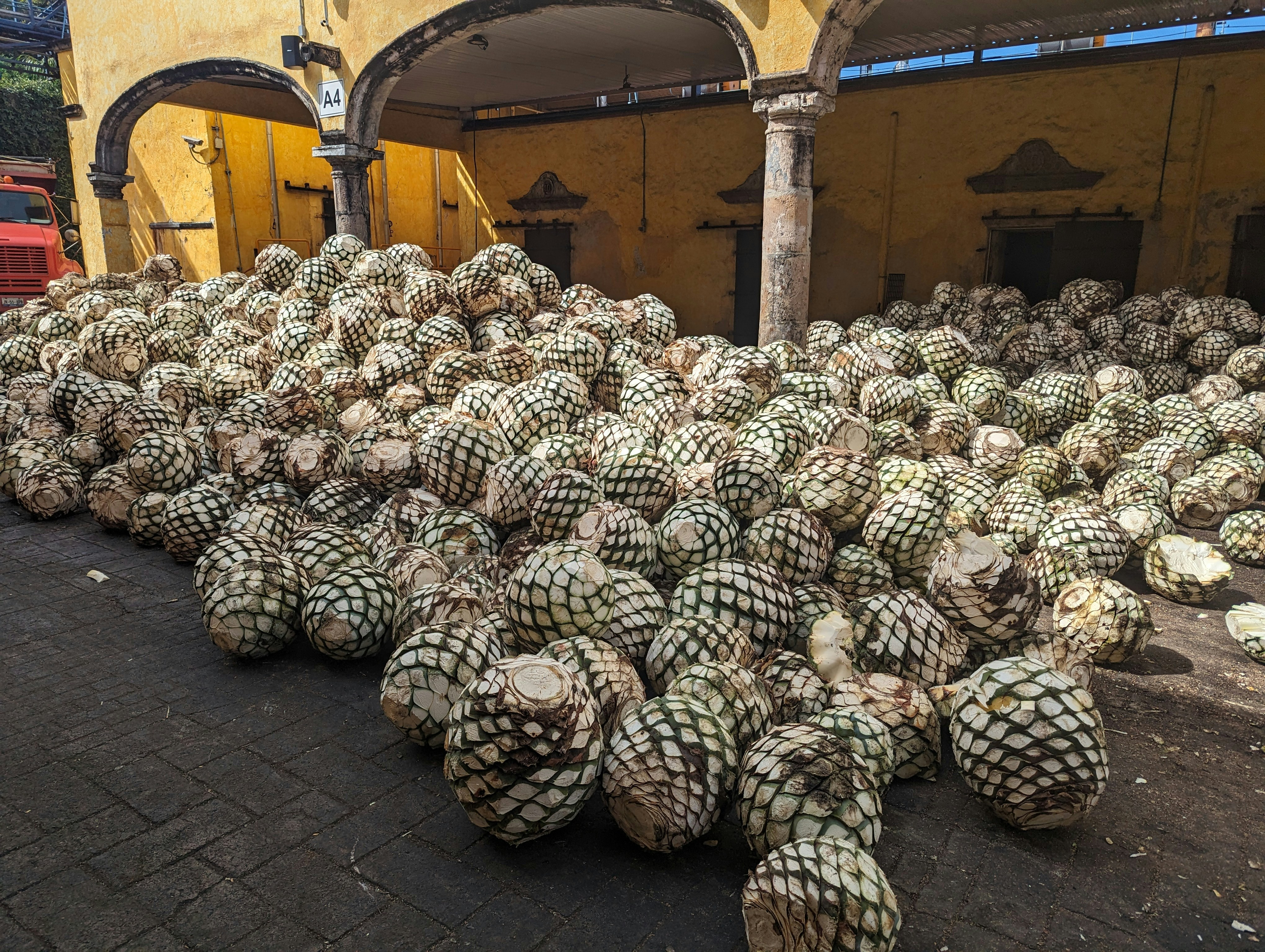
Tequila must be made from Blue Weber agave, but not all tequila has to get all of its fermentable sugars from agave.
There are two basic categories:
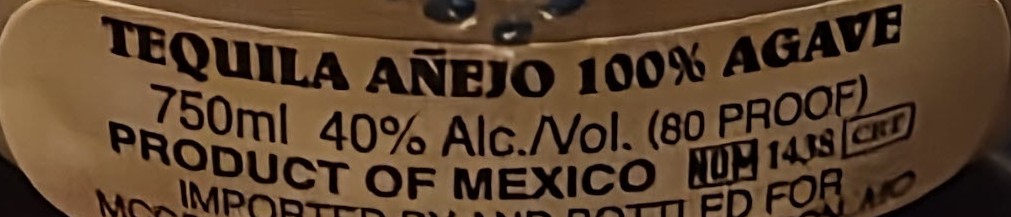
Tequila 100% Agave: All of the fermentable sugars used to produce the alcohol must come from Blue Weber agave.
(You may also see “100% Agave Azul” or “100% Blue Agave” on a bottle. These mean the same thing - azul simply refers to the Blue Weber agave required for tequila.)Tequila: At least 51% of the fermentable sugars must come from Blue Weber agave. Other permitted sugars can provide the remainder. This category is commonly called mixto tequila.
That's what the “100%” is telling you.
A useful way to think about it is:
“100% agave” describes where the fermentable sugars used to make the tequila came from. It doesn't necessarily mean 100% of everything in the bottle came from agave.
That distinction becomes important when we start talking about additives.
100% Agave Doesn't Mean Additive-Free
It's easy to look at “100% agave” and assume nothing else could have been added. But these are two different questions.
Mexican tequila regulations allow producers to make certain adjustments after distillation, including the use of permitted substances for sweetness, color, flavor or mouthfeel. A tequila doesn't automatically lose its 100%-agave designation because something was added after the alcohol was produced.
So a tequila can legitimately be both:
100% agave and made with permitted additives or adjustments.
This is why “100% agave” and “additive-free” shouldn't be used interchangeably.
The first tells us something specific about the source of the sugars that were fermented to create the alcohol. The second addresses what may—or may not—have been added later.
And that brings us to a recent lawsuit.
So What's the Lawsuit About?
Diageo, owner of Casamigos and Don Julio, was recently sued over claims that some of its tequilas labeled “100% agave” didn't actually meet that definition.
This wasn't simply another debate about additives. The plaintiffs had several bottles laboratory tested and claimed the results indicated that some of the alcohol itself came from non-agave sources.
That's an important distinction. If you add a permitted sweetener after distillation, the tequila can still qualify as 100% agave. But if non-agave sugars were fermented to produce some of the alcohol, that's directly at odds with what “100% agave” is supposed to mean.
Diageo strongly denied the allegations and pointed to its Mexican regulatory certifications. The company ultimately won the lawsuit, but the court didn't determine whether the laboratory results were right or wrong. The case was dismissed because testing a handful of bottles wasn't enough to show widespread mislabeling or establish that the tequila purchased by the people suing Diageo was affected.
So we're left with a question rather than an answer.
The testing method used by the plaintiffs is a legitimate technique for investigating where alcohol originated, making the results interesting enough to warrant attention. But a few tested bottles aren't enough to conclude that entire brands are systematically mislabeled.
More independent testing across different bottles and production lots would tell us considerably more.
So What Does the Label Really Tell You?
The controversy doesn't change what “100% agave” means.
When you see it on a bottle, it tells you that all of the fermentable sugars used to produce the tequila's alcohol are supposed to have come from Blue Weber agave.
That's useful information.
It just doesn't tell you everything.
It doesn't necessarily tell you whether additives were used. It doesn't tell you whether the tequila will taste strongly of cooked agave, pepper, vanilla, caramel or oak. It won't tell you whether you'll find it wonderfully smooth or suspiciously sweet.
And it certainly can't tell you whether that $100 bottle sitting next to a $40 bottle is going to taste more than twice as good.
Labels can help you understand what you're buying.
But eventually, there's only one reliable way to find out what's actually important:
Pour some into a glass and taste it.
Or find someone who already did.