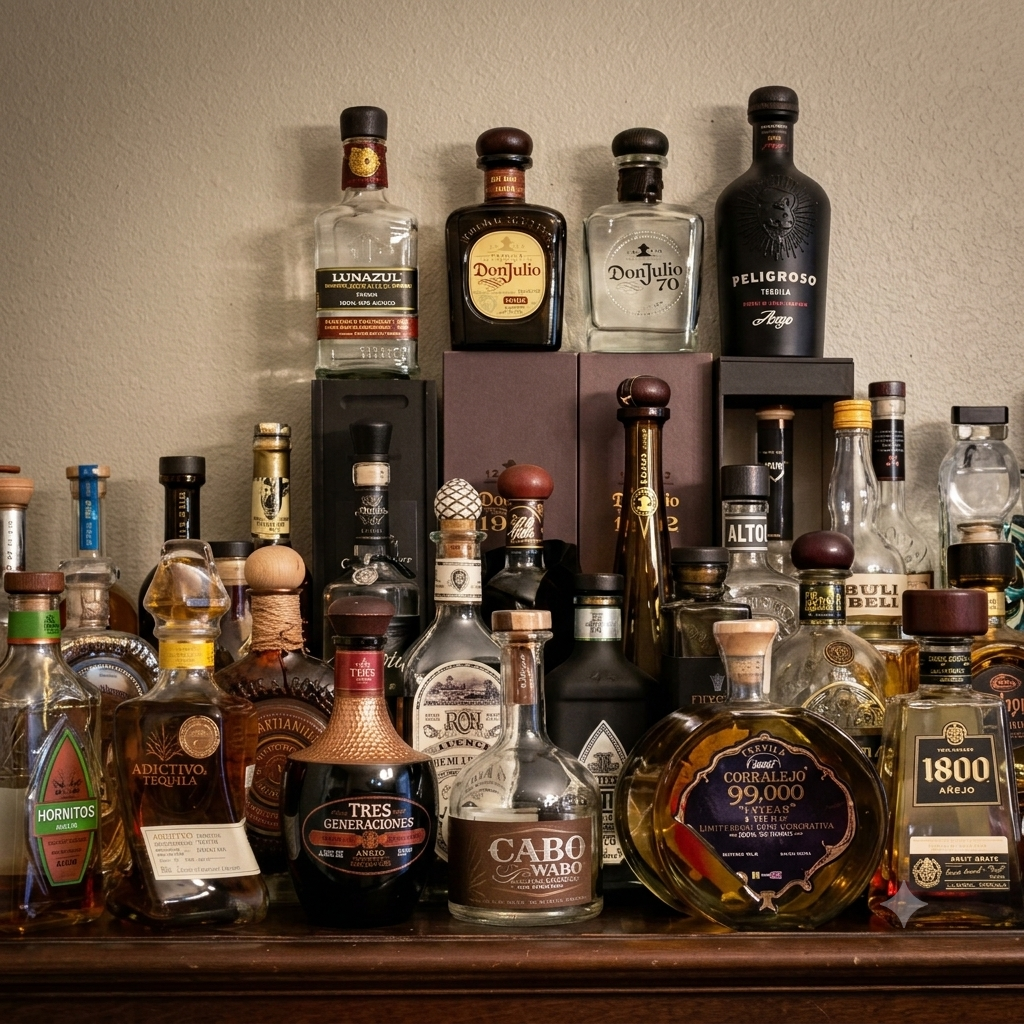
Spend enough time reading tequila reviews or browsing enthusiast groups, and you will hear the rules.
Avoid additives. Look for cooked agave, pepper, earth, minerals, and traditional production methods. Be suspicious of anything too sweet or too smooth.
That advice can help you understand how a tequila was made, what may have been added, and why one bottle tastes so different from another.
But useful information is not the same thing as a command.
The tequila you should drink is the tequila you enjoy.
Experts Can Guide You, but They Cannot Taste for You
Many experts prefer bottles that clearly express the agave and production process. They may look for pepper, citrus, herbs, minerals, roasted agave, or earthy notes.
Those tequilas can be complex and distinctive. They can also be sharp, vegetal, or simply unpleasant to someone who prefers a softer pour.
Other tequilas lean sweeter, with flavors such as vanilla, caramel, oak, baking spice, or fruit. Some of those characteristics come from aging. Others may be influenced by additives used to adjust sweetness, color, aroma, or texture.
Purists may dismiss those bottles. You do not have to.
Knowing whether a tequila may contain additives is valuable. Transparency helps you make an informed choice. But once you know what you are drinking, the decision still belongs to you.
There is no award for forcing yourself to enjoy a tequila that tastes like black pepper, wet stone, and someone else’s approval.
The Right Tequila Depends on the Moment
Tequila is not consumed in only one setting, and your preferences do not have to stay the same from one pour to the next.
A bold blanco may be excellent when sipped neat, but it could overpower a light cocktail or clash with a meal. A sweeter reposado or añejo might work better after dinner, with dessert, or while relaxing on the patio.
A crisp, agave-forward tequila may be perfect in a margarita. A richer reposado may work better in a tequila old fashioned. A smoother añejo may be exactly what you want after a heavy meal, even if it would never earn top marks from a traditionalist.
That does not make your choice less sophisticated. It makes it situational.
What you enjoy may change based on the food, the cocktail, your mood, the weather, or the people you are drinking with. You do not need to crown one bottle as the “best” tequila for every occasion.
Additives Should Be Part of the Conversation, Not the Verdict
Consumers deserve to know when a producer may be using sweeteners, coloring, flavoring, or texture-enhancing ingredients. Greater transparency is good for the category and for the people buying the bottles.
But additive-free should not become shorthand for “good,” just as the presence of additives should not automatically mean a tequila has no value.
There are strong reasons to seek additive-free tequila. You may want a clearer expression of agave, prefer drier flavors, support traditional production, or expect more openness from the brand.
There are also valid reasons to choose something sweeter or softer. You may be new to tequila. You may dislike pepper-heavy spirits. You may prefer vanilla and caramel. Or you may simply enjoy the way a particular bottle tastes.
The important distinction is between being informed and being judged.
Let Your Palate Evolve Without Giving Up Your Preferences
Taste changes over time.
Someone who starts with sweeter tequila may eventually develop a taste for more agave-forward bottles. Someone else may explore dozens of traditionally made tequilas and still prefer a smooth, sweeter añejo.
Learning more about tequila should expand your choices, not replace your preferences with someone else’s approved list. The goal is to understand why you like what you like.
Try different styles. Compare a sweet tequila with a drier one. Taste the same cocktail with two different bottles. Pay attention to what works with food and what you prefer on its own.
Experts can explain production methods, identify flavors, and point out quality or controversy. That knowledge can make you a smarter buyer.
What they cannot do is taste it with your mouth.
Drink with curiosity. Learn what is in the bottle. Understand how it was made. Then decide for yourself.
Because the best tequila is not always the one with the highest rating, the most traditional process, or the loudest online defenders.
Sometimes it is simply the bottle you are happy to pour again.