Sometimes the best tequila discoveries start with a familiar pour and a good conversation.
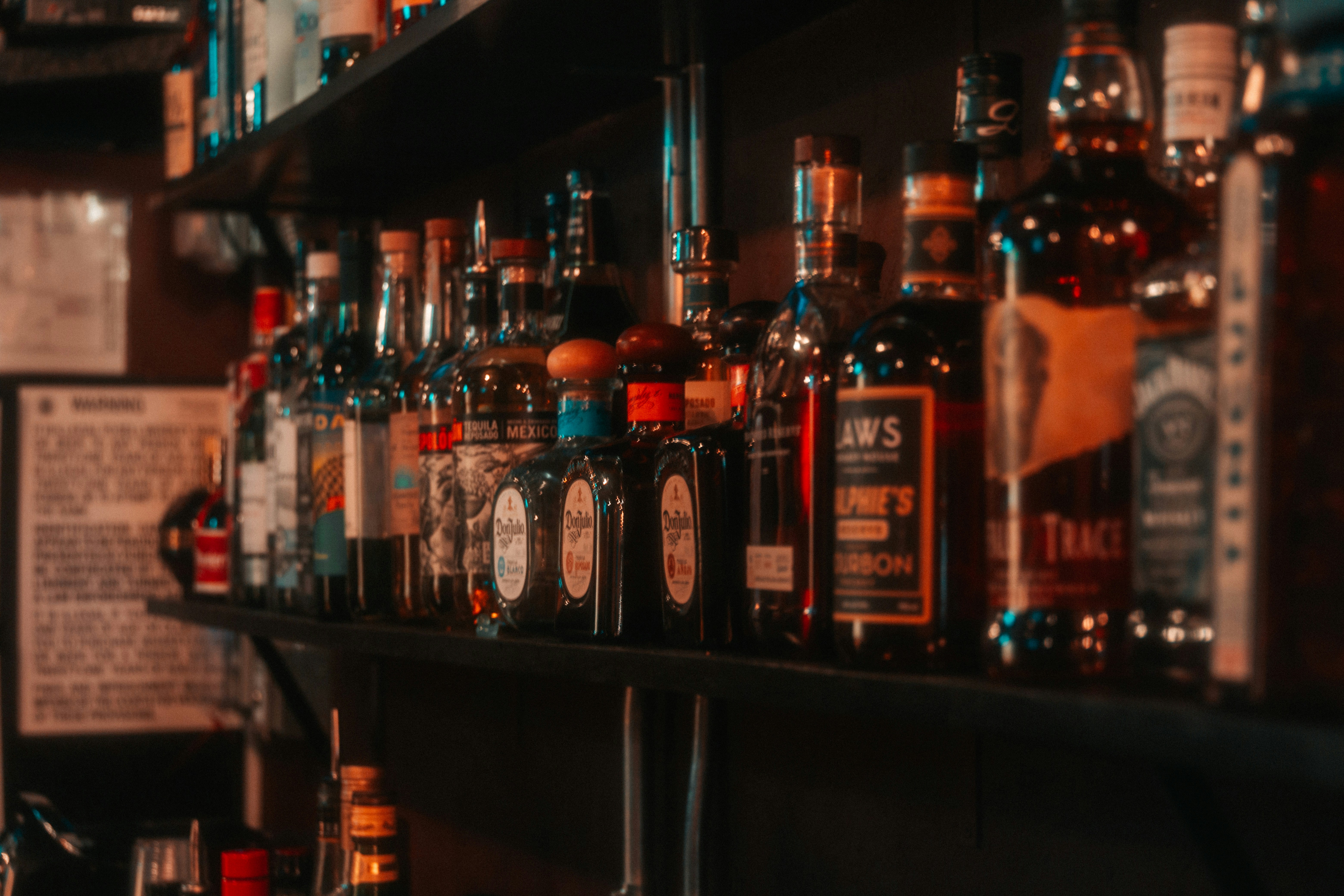
Traveling often means settling for whatever tequila selection the hotel bar has available. During a recent trip to Orlando, I found myself looking over a familiar lineup: Patrón, Casamigos, Don Julio, and a few others.
I'd tasted several of these before. Some I enjoyed, while others weren't particularly high on my list to revisit. Fortunately, there was one I knew I could count on: Espolòn.
I ordered it neat.
It was exactly what I expected. Clean, with a pleasant agave flavor and nothing particularly surprising. Sometimes that's all you need. Espolòn is one I've enjoyed before, although I haven't yet given it a formal Agave Notes review.
But I wasn't there just for a drink. I enjoy talking tequila, especially with someone who shares that interest.
A Bartender's Recommendation
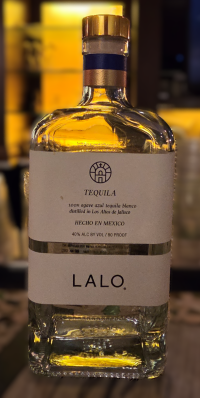
As the conversation developed, the bartender suggested something I hadn't tried before: LALO Blanco. It was only a couple of dollars more, so I figured, why not?
I ordered it neat, just as I had the Espolòn.
And I was impressed.
The first thing that stood out was how clean it tasted. Agave was front and center, without a lot of competing flavors. Nothing complicated or overpowering. Just a really enjoyable blanco that allowed the agave to speak for itself.
The bartender also shared a story about the brand's origins, suggesting it had been started by someone who left Patrón over concerns about additives.
It was an interesting story, but as I later discovered, not quite accurate.
The Story Behind LALO
LALO actually has a connection to another familiar tequila name: Don Julio.
Its co-founder, Eduardo “Lalo” González, is the grandson of Don Julio González, whose name became synonymous with one of the world's best-known tequila brands.
Together with his childhood friend David Carballido, Lalo set out to produce a tequila focused on the natural character of the agave.
The result is a blanco made with three primary ingredients: Blue Weber agave, water, and Champagne yeast. LALO says it uses no additives and doesn't age its blanco in barrels.
That approach makes sense given what I experienced.
The agave wasn't buried beneath sweetness, oak, or other flavors. It was simply the star of the show.
Sometimes less really is more.
One More for the Wish List
Our conversation didn't end with LALO.
The bartender pulled out his phone and showed me another tequila: Soledad 8 Años Extra Añejo.
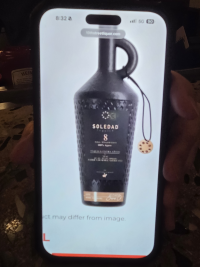
He didn't have a bottle available for me to taste. Instead, he told me it was the best tequila he'd ever had and suggested I seek it out sometime.
That's quite an endorsement.
Soledad 8 is aged for eight years, well beyond the three-year minimum required for an extra añejo. That's a very different proposition from the unaged LALO, with considerably more opportunity for the barrel to influence the tequila's character.
I haven't tasted it, so I can't offer an opinion yet. But it's certainly earned a place on my list of bottles to explore.
More Than Just a Drink
What made this outing memorable wasn't anything elaborate.
I started with a tequila I knew I'd enjoy, discovered a new one thanks to a bartender's recommendation, and left with another worth investigating.
The bartender's history of LALO wasn't entirely accurate, but that didn't diminish the experience. He was enthusiastic about tequila, willing to share what he enjoyed, and interested in having a conversation.
And that's something I appreciate.
You don't always need an extensive tequila menu, a formal tasting, or an expensive bottle to have a worthwhile experience.
Sometimes all it takes is a familiar pour, a curious palate, and someone willing to talk tequila.
That's what Agave Notes is all about.