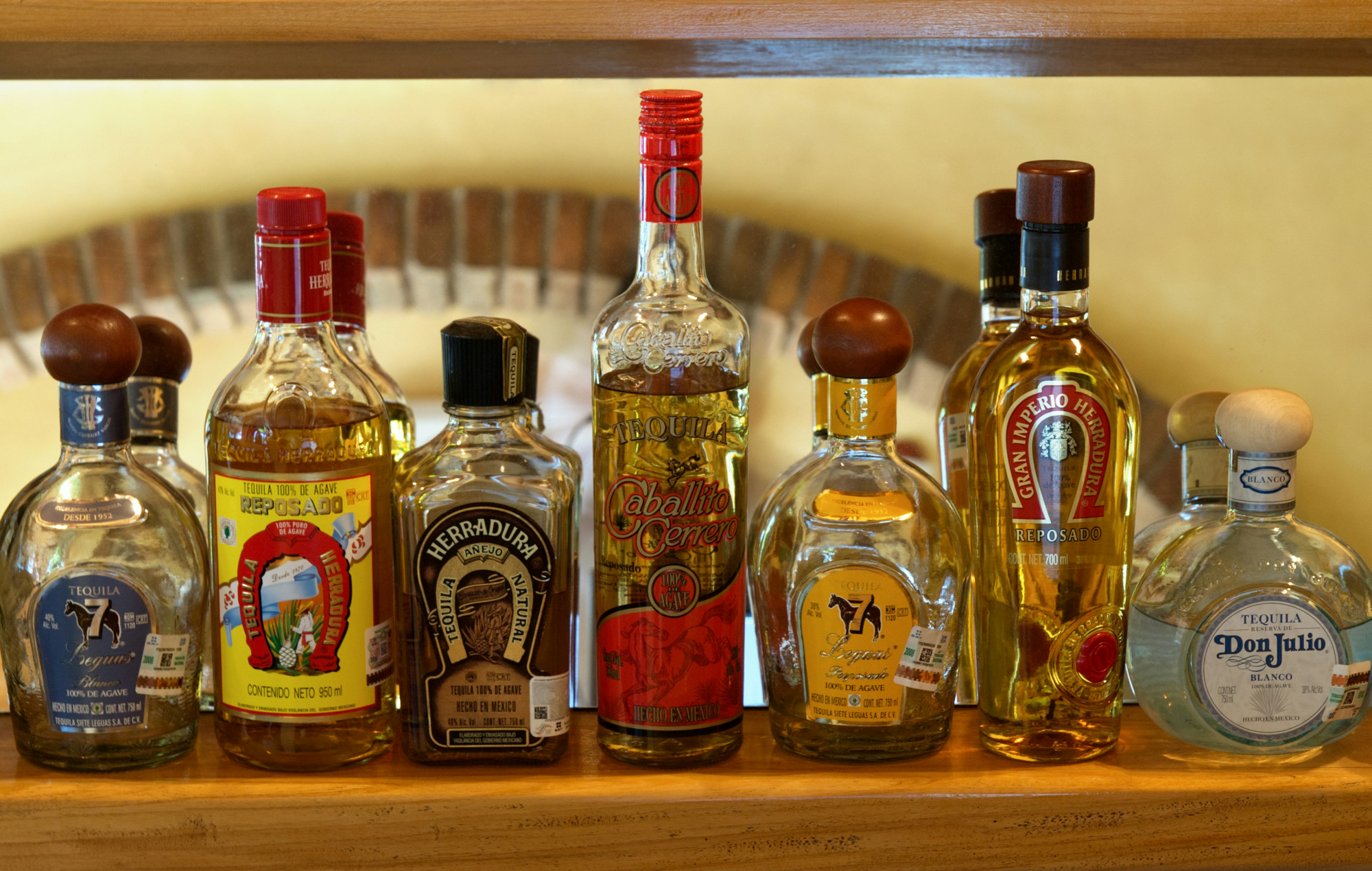
Put Down the Salt: Tequila Deserves to Be Sipped
For a lot of people, tequila comes with instructions.
Lick the salt. Take the shot. Bite the lime.
Preferably quickly.
That may be a perfectly good way to enjoy tequila, particularly when you're out with friends and nobody is especially interested in discussing subtle notes of cooked agave.
But if that's the only way you've experienced tequila, you may be missing an entirely different drink.
Good tequila can be enjoyed exactly the same way you might enjoy bourbon, Scotch, Cognac or a good rum: pour a little into a glass, smell it, take a small sip and see what happens.
You might be surprised.
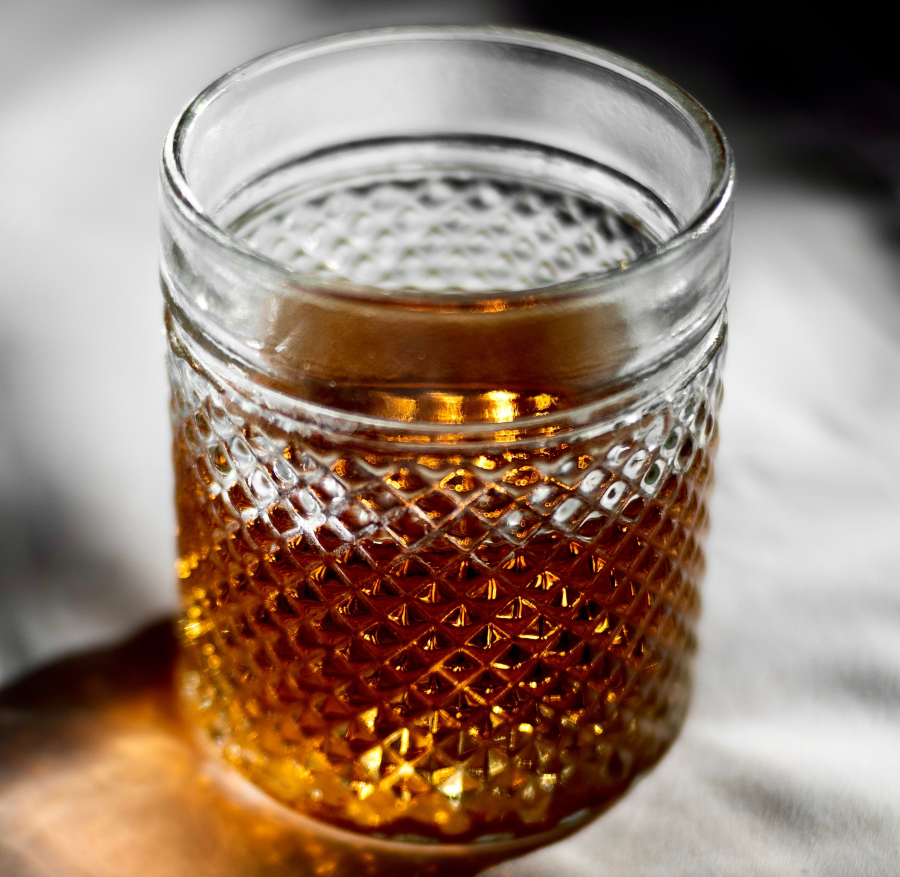
Tequila Doesn't Have to Be a Shot
Tequila developed a reputation in the United States as a party drink. Shots, Margaritas, salt, lime—and occasionally decisions that seemed much better the night before.
That reputation doesn't tell the whole story.
Today, bartenders and agave enthusiasts routinely recommend trying good tequila neat, particularly if you want to experience what is actually in the bottle. Barrel-aged añejos and extra añejos are natural candidates for sipping, but blancos and reposados can be every bit as interesting.
And this isn't about making tequila fancy.
It's about slowing down enough to taste it.
When you shoot tequila, most of what you notice is the alcohol and the burn. Salt changes what you taste, and lime immediately adds a large dose of acidity.
That's part of the experience if that's what you want.
But it isn't much of an opportunity to discover what the tequila itself tastes like.
Try It the Way You'd Try a Bourbon
Imagine someone pouring you a good bourbon.
You probably wouldn't immediately cover your tongue in salt, throw the bourbon down your throat and bite into a lime.
You'd take a sip.
You might notice caramel. Vanilla. Oak. Cinnamon. Fruit. Maybe smoke.
Tequila deserves the same opportunity.
With a blanco, you may find cooked agave, citrus, pepper, herbs, grass, earth or minerals.
A reposado begins adding flavors from time in the barrel.
An añejo may bring considerably more oak, vanilla, caramel, spice, chocolate, dried fruit or toasted flavors.
Those aren't flavors you need to train yourself to pretend you're tasting. They're simply things you may begin noticing when you slow down.
And sometimes you'll find something completely unexpected.
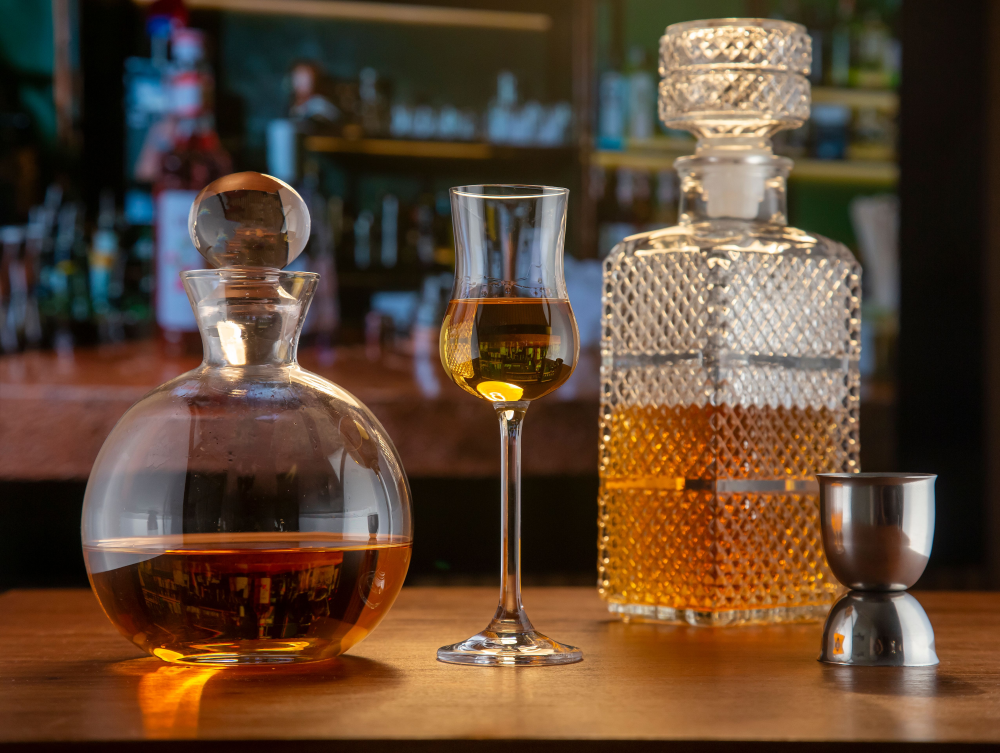
I've Seen the Change Happen
I've had several tastings with friends who weren't necessarily tequila drinkers when we started.
There wasn't any attempt to convert anybody. We were simply sitting around, pouring several tequilas and trying them next to each other.
Then something interesting happened.
People started comparing them.
"This one is much smoother."
"I can really taste the vanilla in this one."
"That one has a lot more pepper."
Or simply:
"Wow. I didn't know tequila could taste like this."
That's probably my favorite reaction.
Nobody needed a class on tequila. They simply stopped shooting it long enough to discover that there was something there to taste.
A few of those people may even have become tequila drinkers in the process.
Start With a Small Pour
You don't need an expensive bottle or elaborate tasting setup.
Pour an ounce or so into a glass that gives you enough room to smell it. A tequila tasting glass is great, but a small wine glass, Glencairn or similar glass works perfectly well.
Take a moment to smell it.
Then take a small sip.
That's important.
You're trying to introduce the tequila to your palate, not fill your mouth with 40% alcohol.
Let that first sip pass. Your second or third sip may taste noticeably different once your mouth has adjusted to the alcohol.
Then start paying attention.
What stands out?
Agave?
Pepper?
Vanilla?
Oak?
Fruit?
Something sweet?
Something earthy?
You don't need to identify twelve flavors or invent descriptions that belong on the back of a $200 bottle.
Just notice what you notice.
What About Ice?
Try it neat first.
You can always add ice afterward.
Cooling a spirit can reduce some of the perception of alcohol, which is one reason people enjoy spirits over ice. But colder temperatures can also suppress aromas and flavors.
If you prefer tequila cold or over ice, drink it that way.
We're not creating new rules to replace the salt-and-lime rules.
The point is simply to give the tequila a chance by itself before changing it.
And Yes, You Can Still Drink Margaritas
Sipping tequila doesn't mean abandoning Margaritas, Palomas or any other cocktail.
It doesn't even mean you can't take a shot.
Different tequilas work beautifully in different situations.
A bright, peppery blanco may be fantastic in a Margarita. A rich añejo might be exactly what you want after dinner. A reposado may work equally well neat or in a cocktail.
There is no requirement to choose one camp.
Give It a Chance
If your last experience with tequila involved a shot glass, salt and lime, try something different next time.
Find a decent bottle of 100% agave tequila.
Pour a little.
Smell it.
Take a small sip.
Then take another.
Don't worry about whether you're drinking it correctly. Just give yourself enough time to actually taste what's in the glass.
Maybe you'll decide tequila still isn't for you.
That's perfectly reasonable.
But you might also have the experience I've watched a few friends have:
"Wait. This is tequila?"
And suddenly you've found something new to explore.